


Key Takeaways
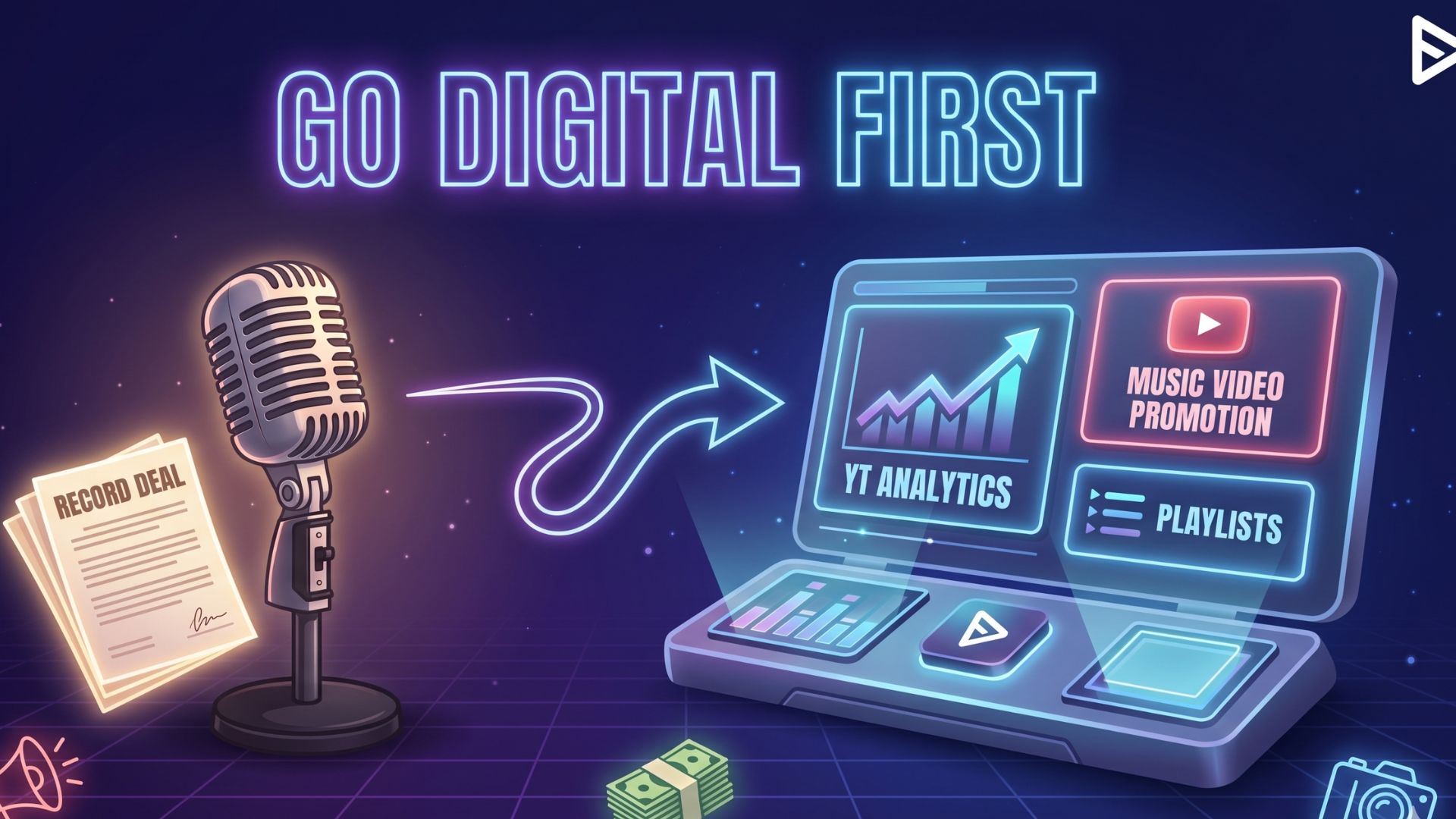
- Modern independent music promotions are largely driven by data and digital platforms.
- You no longer need a powerful “gatekeeper” to get noticed; you can reach your audience directly.
- You do not need to hire a professional promoter to begin YouTube music promotion.
- Tools for YouTube rank tracking and YT analytics give artists more control than ever.
- The comparison: Is it worth hiring a “YouTube Consultant” vs using a promotion tool? depends on your stage of growth and budget.
Getting music to the public used to involve a complex network of publicists, radio pluggers, and tour managers. In the past, a music promoter was a person who got a song on the radio and articles in newspapers. Today, a 15-second sound clip on TikTok or a viral trend can make a star overnight. Artists can connect with fans around the world without intermediate support. This reality brings a powerful question: Do you still need a music promoter for effective independent music promotions?
For some, a skilled human manager with a vast network of connections is still a game-changer. For many new and middle-tier artists, success can be built on their own terms using modern technology. They can manage their career and marketing, especially their YouTube music video promotion strategy, using data and dedicated promotion platforms. This blog will break down how to decide what approach is right for your unique path.
The Traditional Music Promoter vs. Modern Independent Music Promotions
A music promoter was traditionally someone who got you “out there.” This meant pitching music to radio stations, journalists, and setting up tours. The focus was on traditional media because that was where the largest audiences were.
Today, audiences are fragmented across a hundred different platforms. An entire generation gets its news and entertainment from social media and streaming algorithms. In the digital world, independent music promotions focus on digital strategy first. While radio is still helpful, it is no longer the main goal. Modern promoters must understand:
- How to build a fan base on social media platforms?
- The science behind playlist pitching and algorithmic placement on services like Spotify.
- How to use high-level data from platforms like YouTube and Google.
- How to coordinate digital advertisements with organic content.
Success now requires a “digital-first” mindset. Instead of a single powerful person opening doors, you must build momentum that the algorithm can see. This means consistency, community engagement, and strategic content planning. For an artist, mastering these digital skills might remove the need for a physical promoter, especially at the start.
How do independent musicians promote their music videos on YouTube?
YouTube is a massive opportunity, and for most musicians, it is the primary focus of their video marketing. But simply uploading a quality music video is not enough. You must understand how to trigger the algorithm to make the effort worthwhile. Here is how independent musicians approach YouTube music promotion for their videos:
1. Master Your SEO and Optimization
Your video will not be viewed if it cannot be found. Search engine optimization (SEO) is everything on YouTube, the world’s second-largest search engine. This is where you focus your efforts. A compelling title is your first step. It should be catchy and clearly state what the content is. You also need a custom thumbnail that is bright, high-contrast, and interesting to click. A boring or blurry picture will not work. In your descriptions, use relevant tags, write a brief explanation, and always include links to your music and social media.
2. Use YouTube’s Native Tools for Internal Promotion
Independent musicians use the Community Tab to post polls, behind-the-scenes photos, or short video updates. Engaging with comments is crucial to building a dedicated fanbase. You should also create playlists featuring your official videos, remixes, and live performances to keep people watching your content longer. YouTube Shorts are now an unavoidable part of success; they are fantastic for converting a single view into a subscriber.
3. Build Organic Momentum Off-Platform
Promotion does not stop on YouTube. Share your video on all your social media profiles multiple times. Do not be afraid to pitch your music to independent playlisters who create curated video playlists. Musicians often join Reddit communities or relevant Discord channels to share their music respectfully, focusing on adding value rather than just self-promoting.
4. Leverage Promotional Tools for Scaling
If your organic efforts are showing results but not scaling fast enough, you can look into dedicated tools to promote your music video on YouTube. YouTube music promotion platforms specialize in reaching the right audience with your video through a smart combination of Google advertising and placement, using high-quality data to improve conversion rates. This type of tool helps an artist get targeted views quickly, without the huge investment of a consultant.
5. Continuously Analyze Your Data
A successful modern musician is a data scientist. You can use YouTube rank tracking to monitor where your video is showing in search results and which keywords are driving traffic. These insights help you understand which of your efforts are producing a positive return on investment, guiding your future strategy for independent music promotions.
The “YouTube Consultant” Debate: Person vs. Promotion Tool
The most difficult question is often one of resources. Once an artist has some initial traction, they may wonder: Is it worth hiring a “YouTube Consultant” vs using a promotion tool?
A consultant can provide bespoke advice. They will do a deep dive into your channel and data to create a customized strategy based on their experience. They can give you advice that a general tool cannot. A great consultant might also connect you with high-level music industry professionals. The negative side is that they can be very expensive.
A monthly retainer can easily cost thousands of dollars, making it out of reach for many. There is also no guarantee that their advice will generate views, as they are a person, not an automated platform.
Dedicated promotion tools, on the other hand, are often based on algorithms and automation. They focus on executing a single task very well, such as targeting ads, optimization, or YouTube rank tracking. Their primary advantage is that they are cost-effective, with pricing that scales with your growth.
A tool like VeeFly, for example, helps you set a budget and automatically pushes your video to targeted audiences, which is extremely efficient. The limitation is that they provide a specific service rather than a holistic human strategy.
The choice often depends on your current situation. For a new artist, a specialized tool provides a massive advantage without a significant financial risk. As your channel grows and you have a clear business model and monetization strategy, the specific expertise of a professional consultant becomes much more attractive.
Leveraging YouTube Analytics Tools and Competitor Analysis for Growth
Data is the secret weapon of modern independent music promotions. To truly succeed, you must move beyond guessing and start making decisions based on facts.
You need to master YouTube analytics tools to understand who your viewers are. What is their average age? Where are they from? How long are they watching? If most people drop off in the first fifteen seconds, you know you need to make your video intros more engaging. Understanding these metrics helps you improve the content you create, which leads to better algorithmic performance.
Another critical strategy is to analyze YouTube competitors. Spend time looking at other artists who are slightly more successful than you in your same genre. What are their video titles like? What does their channel banner look like? The kind of content are their fans engaging with in the comments? Analyzing competitors gives you a roadmap.
You are not trying to copy them; you are learning what is already working in your space so you can do it even better. By combining these two research methods, you create a powerful system that drives sustainable channel growth.
Final Thoughts
A traditional music promoter is not always necessary in the digital age. Success is no longer dependent on a single physical “keyholder.” However, the need for promotion itself is stronger than ever. The difference is that you, as an artist, are now in control. You have the tools, the platforms, and the data to manage your own independent music promotions effectively.
While a human promoter can open doors at a high level, many independent musicians will find that a blend of digital tools and strategic effort provides the best return on investment. Master your content creation, learn to use YouTube rank tracking, and never stop optimizing. Remember that a great tool is like a compass; it shows you the direction, but it is your hard work and talent that takes you to the destination.
Frequently Asked Questions
Q1. What does an independent music promoter do today?
An independent music promoter today is a digital marketing specialist. They understand how to get music on playlists, manage social media growth, run targeted ad campaigns, and analyze audience data. Their primary job is to generate digital traction and algorithmic velocity for an artist, rather than focusing purely on traditional radio or press.
Q2. Can I do independent music promotions effectively without a budget?
Yes, you can absolutely make a significant impact without a financial investment. Focus your energy on creating viral short-form content, building a genuine community with your comments, and learning every nuance of YouTube SEO. Consistent effort in these areas is the foundation of organic success and costs only your time.
Q3. How to promote your music video on YouTube with a small budget?
For a small budget, focus on targeted ad spending and specialized tools. Instead of spending money on a single expensive ad, use a tool that will automatically target people who enjoy your specific genre. This method is often more cost-effective for new artists than hiring a private consultant or a full-service marketing agency.
Q4. How can I use YouTube competitor analysis to get ahead?
Identify other artists in your same musical space who are slightly larger than you. Pay close attention to their high-performing videos. What are they doing in their titles and thumbnails? What kind of engagement do they get? Analyze what is already working for them and adapt those successful principles for your unique brand and message.
