


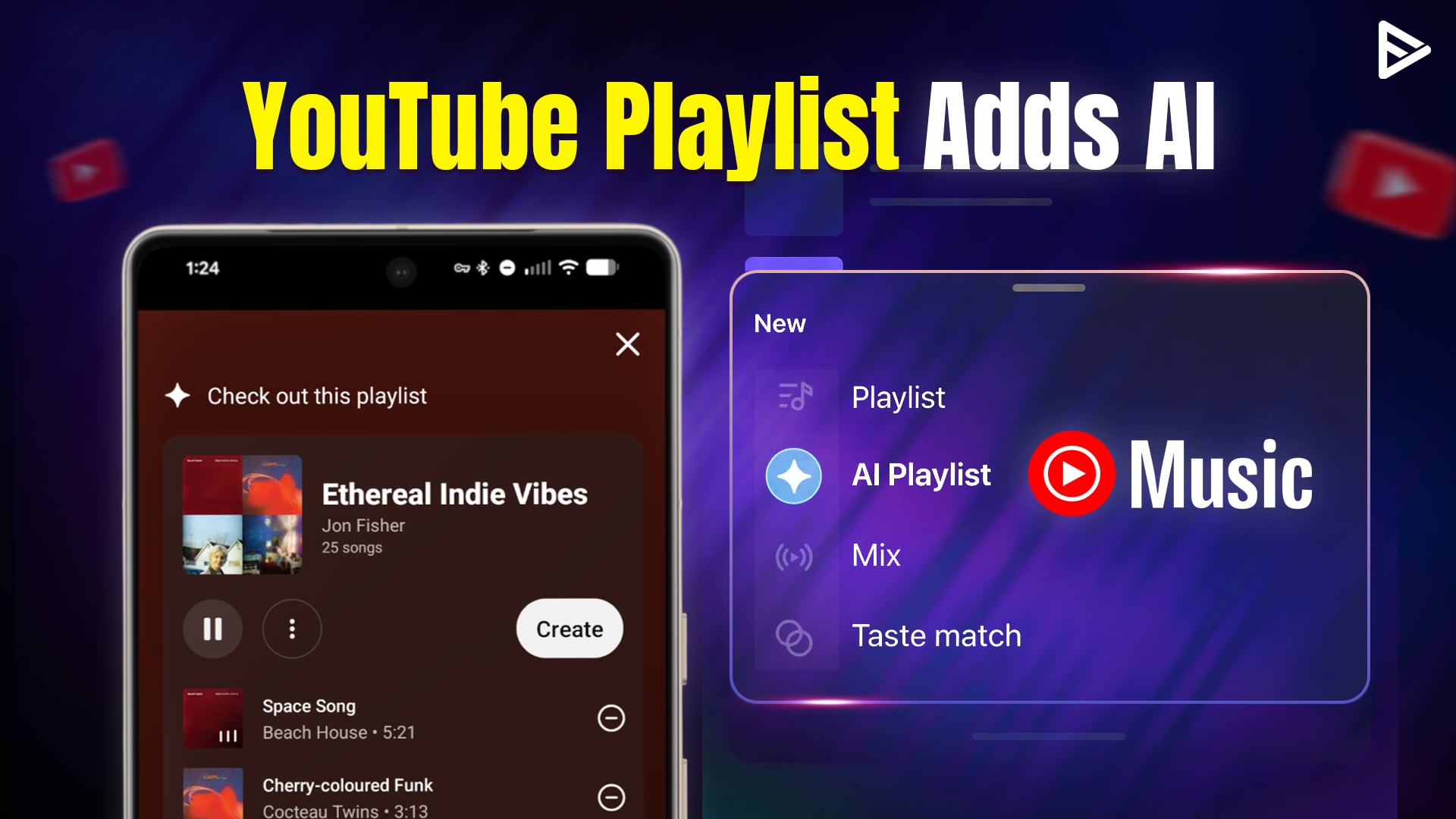
The YouTube AI Playlist Feature is coming up with personalized music curation. With the streaming platform’s push towards AI and customization, it could reshape how music is discovered on the platform. With artificial intelligence generating personalized experiences for users, creators can significantly benefit from reaching users. As YouTube Music continues to blend AI tools, it is crucial to understand how the platform will help for long-term growth and visibility.
YouTube AI Playlist Feature: Key Points at a Glance
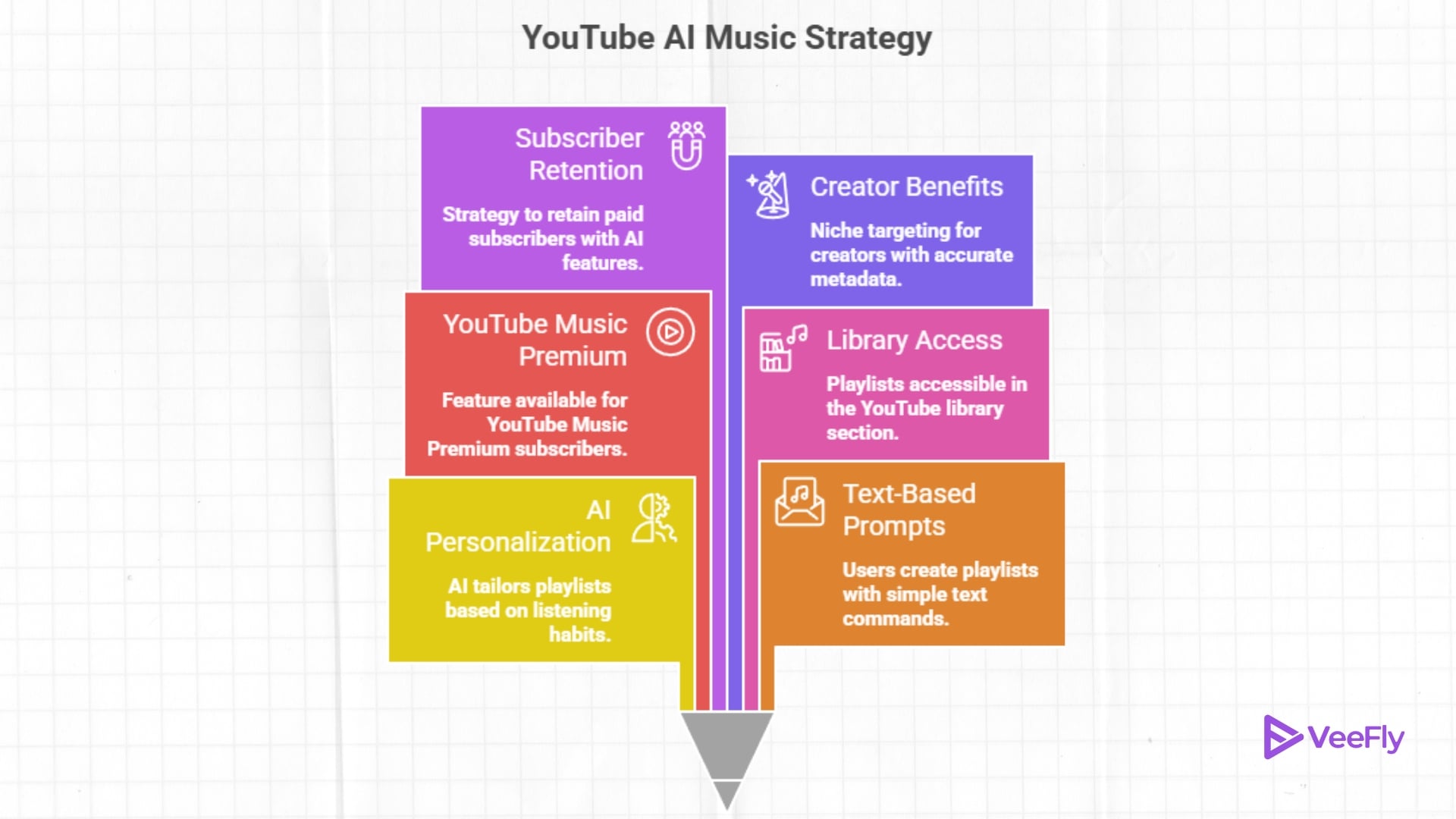
- YouTube continues to invest in AI-powered personalization.
- Viewers can generate a playlist using text-based prompts
- As of 2026, the feature is currently rolling out to YouTube Music Premium subscribers
- The feature is primarily accessible in the library section of YouTube
- The rollout is part of YouTube’s broader music strategy to retain paid subscribers.
- The AI curates songs based on past listening behaviour, enhancing personalization and creating a more dynamic experience on the platform.
- YouTube creators’ music may now become more context-based, and engagement signals may be influenced by AI-driven curation
- Independent creators can benefit from niche targeting if the metadata is accurate.
Industry Insights and Creator Impact
The YouTube AI playlist feature reflects a wider industry trend toward AI-enhanced discovery across streaming services. For creators, the shift highlights several constructive developments, including delivering results based on listening results. It will help creators reach the relevant audience more effectively. Further, niche-generated will now have more personalized discovery pathways. The most significant thing for creators will be enhanced visibility with engagement metrics for the playlist.
Industry insights predict that AI-generated playlists rely heavily on behavioral signals, such as listens and completion rates. It means creators who prioritize strong audience retention, clear genre positioning, and consistent branding. Hence, it will find new opportunities within an AI-driven discovery system instead of simply replacing human curation.
Conclusion
The YouTube AI playlist feature represents continued innovation in how listeners find music. For creators, the Music update underscores the importance of strategic optimization and YouTube audience retention. As AI becomes more integrated into streaming platforms, adaptation and data awareness remain the core advantages. In the end, the introduction of the AI playlist feature signals growth in personalized discovery. The creators who are willing to adapt to it can translate it into meaningful reach.
