

Key Takeaways:
- YouTube’s deepfake tool is now open to all creators who are 18 or older.
- The tool helps spot when someone’s face or likeness is misused in AI videos.
- Before, only a few people could use this feature, but now it’s available to many more.
- Creators can sign up for the tool in YouTube Studio after verifying their ID.
AI content is changing fast. While it opens up new creative options, it also brings real worries. Many creators are most concerned about their face or voice being used without their permission.
To help with this problem, YouTube has made its deepfake detection tool available to more people. The tool isn’t new, but now more creators can use it. The main goal is to give creators peace of mind and more control over their identity.
YouTube Opens Access to Its Deepfake Tool
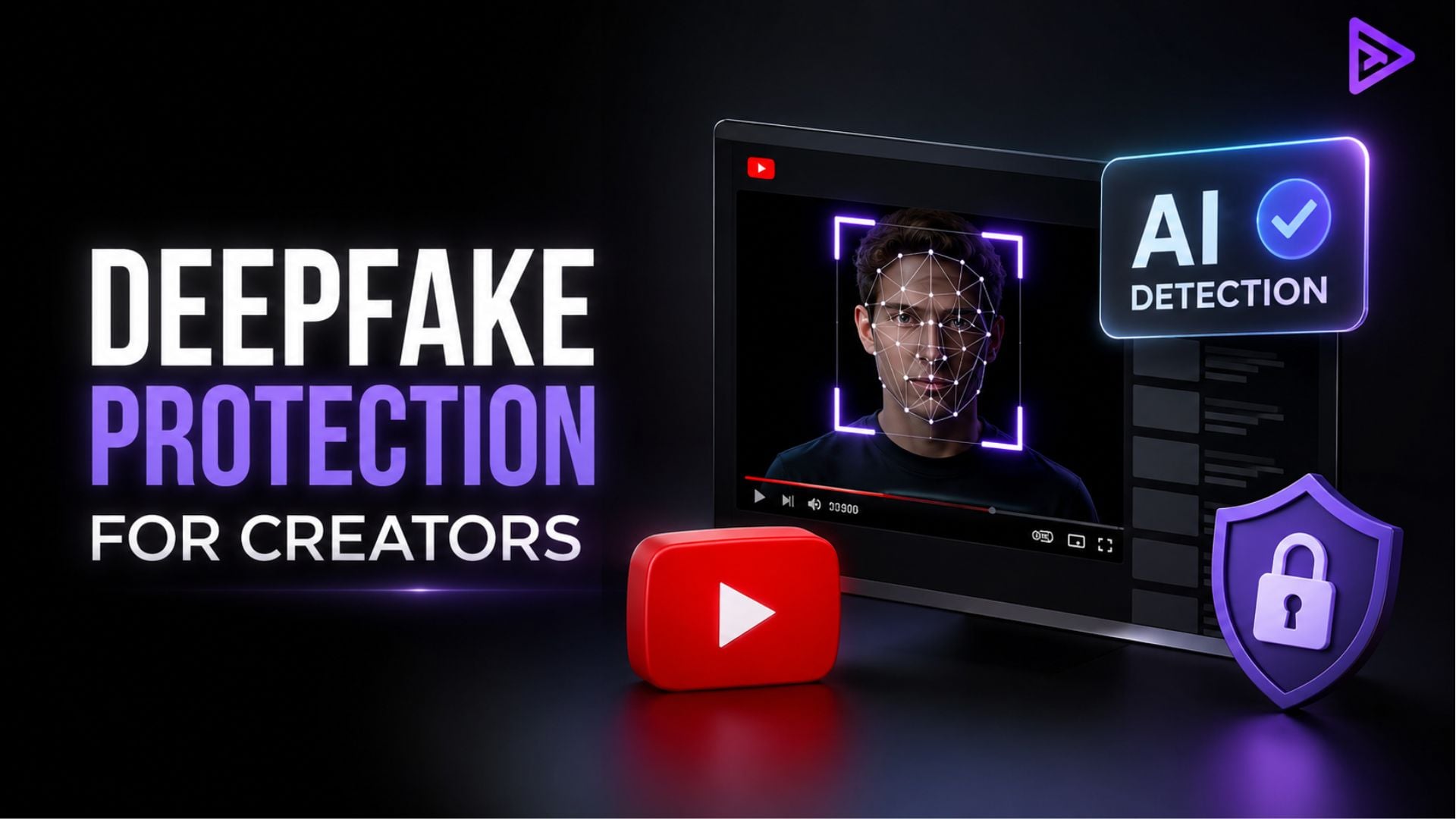
YouTube recently announced on its community update page that its AI likeness detection tool is now open to all creators over 18. Now, more people can check whether their faces or identities are being misused in AI-generated videos.
YouTube spokesperson Jack Malon told The Verge that technically, anyone can use the tool, even though it was mainly designed for creators.
This change makes the feature less exclusive and turns it into a standard safety tool for everyone on the platform.
From Beta Feature to Creator Tool
This rollout took time. In 2024, YouTube first launched the tool in a limited beta, giving access to only a small group. In 2025, journalists and public figures could use the feature. Now, it’s finally available to a much larger group of creators.
This step-by-step rollout shows that YouTube is taking AI misuse seriously and is carefully adding safeguards before making them widely available.
How Creators Can Use It
The process is simple and doesn’t need any technical skills. Creators can sign up for YouTube Studio by going to “Likeness” under “Content Detection.” You can watch the video to understand the steps on how the YouTube deepfake tool works. After that, they just need to verify their ID. After signing up, the system can scan and flag videos where their face or likeness might appear. This lets creators review and act if needed.
Why This Actually Matters
Deepfakes are no longer just online experiments. They can affect a creator’s reputation, audience trust, and even their income. YouTube’s goal is to reduce that worry. By letting creators monitor misuse of their content, the platform is giving them something simple but important: control over AI. It’s about ensuring creators aren’t left vulnerable as AI advances.
Final Thoughts
This update might look small at first, but it’s an important step. YouTube isn’t just adding features; it’s responding to real concerns from creators. As AI content becomes more common, tools like this will quietly become essential. For creators, it’s one less thing to worry about, and that alone makes a difference.
