


Key Takeaways:
- Dual streaming lets creators deliver live content in both vertical and horizontal formats simultaneously.
- YouTube dual stream lets creators reach Shorts viewers and traditional live audiences from a single broadcast.
- The future of live streaming is not about choosing one format but about adapting to how audiences watch.
- A strong dual-format strategy requires better layout, planning, and viewer-focused content design.
Content has changed because the way people watch has changed. A viewer might discover a creator through a vertical video while scrolling on their phone, watch a longer horizontal video later, and return the next day for another short clip. The audience journey is no longer limited to a single screen or format.
This is where dual streaming comes into the picture. While the term is often connected with YouTube’s dual-format updates, the idea goes beyond livestreaming. Dual streaming is about creating content that works in both vertical and horizontal formats so creators can reach people wherever they choose to watch.
The biggest lesson from YouTube’s move toward dual formats is simple: creators no longer have to pick one format. They need to understand how each format serves a different purpose.
What Is Dual Streaming?
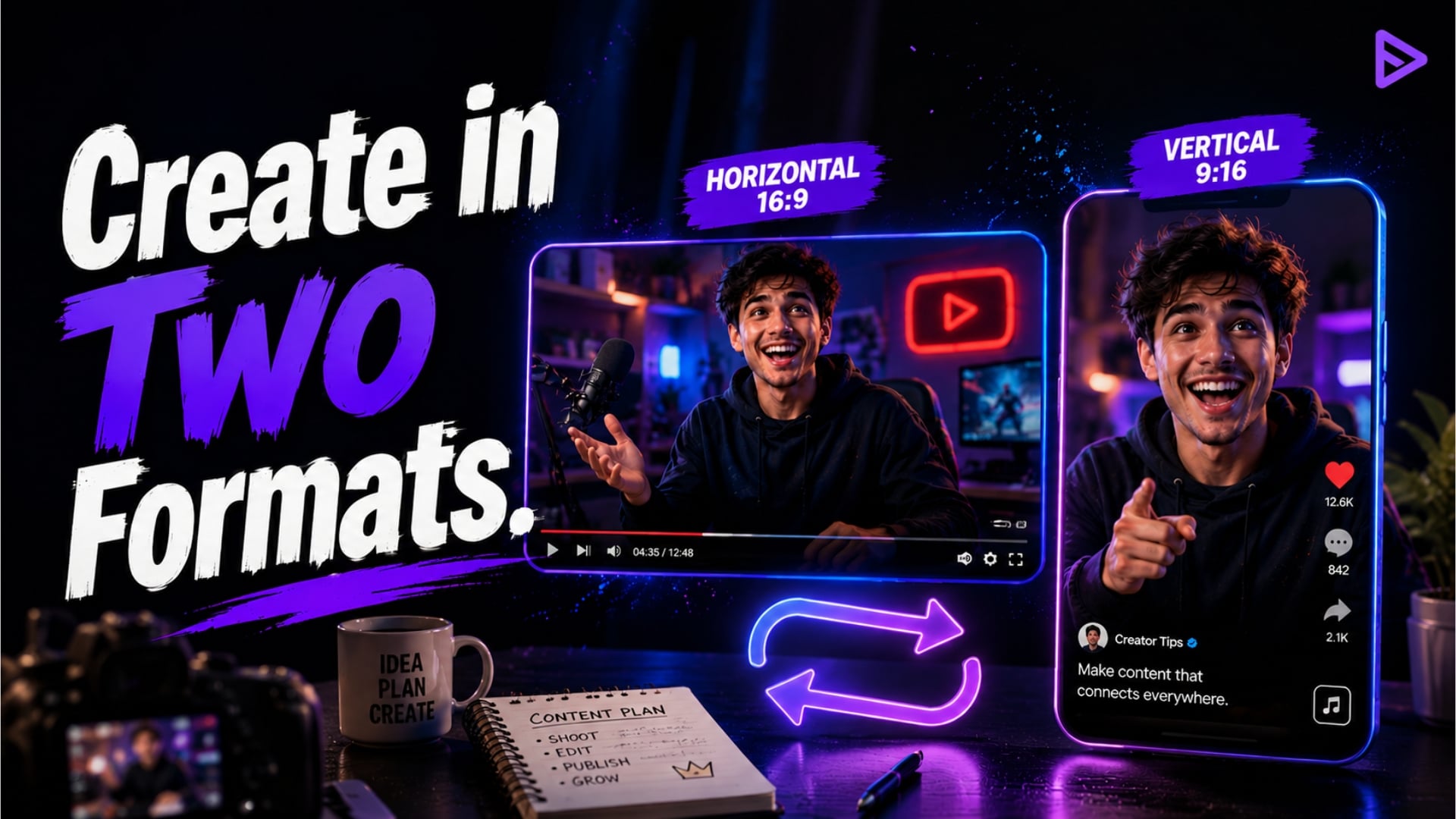
Dual streaming means creating content experiences for both vertical and horizontal screens.
Traditionally, creators focused on landscape videos. YouTube was built around the horizontal viewing experience, which worked well for tutorials, podcasts, gaming videos, and long-form storytelling.
Then vertical content changed the game.
Short-form platforms and mobile viewing habits made vertical videos a major part of content discovery. People wanted quick, easy-to-consume content that fit naturally on their phones.
Today, both formats matter.
A horizontal video may help build deeper engagement, while a vertical video may help a creator reach new viewers. A strong dual streaming strategy combines both.
The Biggest Lesson: One Idea Can Become Multiple Pieces of Content
One of the biggest mistakes creators make is treating every format as a separate task.
They create a YouTube video. Then later, they try to turn it into Shorts. Sometimes that works. Often, it feels forced.
A better approach is planning content with multiple formats in mind from the start. For example:
A creator records a 30-minute interview.
Instead of only publishing the full video, they can create:
- A horizontal full-length episode
- Vertical clips with the strongest moments
- Short educational highlights
- Social media previews
- Topic-specific videos
The original idea stays the same. The packaging changes based on how people consume content. That is the real power of dual-streaming YouTube strategies.
| Format | Purpose | Best Used For |
| Vertical (9:16) | Discovery and quick engagement | Shorts, highlights, mobile-first content |
| Horizontal (16:9) | Longer viewing and storytelling | Tutorials, podcasts, detailed videos |
| Dual streaming approach | Wider audience reach | Building a complete content ecosystem |
YouTube Dual Stream: A Shift in How Creators Think
The conversation around YouTube’s dual-stream feature shows how platforms are adapting to modern viewing habits. Creators are no longer only competing for attention on the homepage. They are also competing inside fast-moving feeds where viewers decide within seconds whether something is worth watching.
That is why YouTube’s focus on vertical and horizontal experiences matters. It recognizes that a creator’s audience is not sitting in one place. Some viewers prefer a traditional YouTube video. Others discover content through mobile-first experiences. Both groups can belong to the same community. The goal is not to create two completely separate audiences. The goal is to make one content idea available in multiple ways.
Why Vertical and Horizontal Content Both Matter?
There is a common debate among creators: should they focus on Shorts or long-form videos?
The answer depends on the goal.
Vertical content is excellent for discovery. It helps new viewers find a creator quickly and decide whether they want to see more. Horizontal content is better for depth. It gives creators space to explain, entertain, teach, and build stronger relationships.
Neither format replaces the other. They work together. A viewer might find a creator through a 30-second clip and become a regular audience member because of longer videos. That journey is becoming normal.
How To Dual Stream on YouTube: A Creator Approach?
When creators search for how to dual stream on YouTube, they often look for a simple technical solution. But successful dual streaming starts before uploading.
Creators should think about:
1. Framing: Ensure important subjects remain visible in both formats. A shot that works in landscape may not work when cropped vertically.
2. Storytelling: The first few seconds matter more in vertical content. Long-form videos can take more time to build context.
3. Repurposing: Instead of cutting random clips, identify moments that can stand alone.
4. Audience Intent: Ask what the viewer wants from each version. A vertical video may answer one question quickly. A horizontal video may explain the full story.
The Future of Content Is Multi-Format
The internet no longer has one audience. People watch videos while traveling, working, relaxing, and searching for information. Their preferences change depending on the moment. Creators who only design content for one screen limit their opportunities.
That is why YouTube live stream vertical or horizontal discussions are part of a bigger conversation. The real question is not which format wins. The question is how creators can make content flexible enough to work everywhere.
Final Thoughts
The biggest takeaway from YouTube’s dual format direction is that content creation is becoming more adaptable. Creators no longer need to choose between vertical and horizontal videos. They need to understand what each format does best.
Dual streaming is not about uploading the same video twice. It is about building content that respects how audiences actually watch. The creators who succeed will not just follow formats. They will create experiences that fit naturally into their viewers’ lives.
Frequently Asked Questions
Q1. Can we live two streams at the same time on YouTube from two devices?
Yes, it’s possible. With YouTube Premium, members can take advantage of the benefits while simultaneously streaming up to 2 live streams.
Q2. Is dual streaming only useful for YouTube Live?
No. While YouTube’s dual-format features have brought more attention to the concept, dual streaming applies to Shorts, long-form videos, podcasts, tutorials, and other creator content.
Q3. Should creators make vertical or horizontal videos first?
There is no fixed rule. The best approach is to plan content so it works in both formats, rather than prioritizing one and forcing the other later.
Q4. Does creating vertical content hurt long-form growth?
Not necessarily. Vertical content can introduce new viewers to a creator, while long-form content can help build stronger engagement and loyalty.
Q5. How does dual streaming help creators grow?
It allows creators to meet viewers where they already spend time, increasing opportunities for discovery, engagement, and community building.
Q6. Can one video idea work for multiple formats?
Yes. Many successful creators start with one main idea and adapt it into different versions for different audiences and platforms.
